
Have you ever wondered why some of your competitors seem to execute complex tasks flawlessly while your team is still bogged down by manual approvals? The secret is no longer just having good software. Welcome to 2026, where the Top Use Cases of Agentic AI are completely redefining how businesses operate.
We have moved far beyond basic chatbots that just answer simple questions. Today, businesses rely on AI Agents. These are autonomous systems that perceive their environment, make decisions, and execute multi-step workflows without human intervention. If an error occurs, they do not just throw an alert. They fix it.
If you are a CTO or a business founder, you know that scaling requires automation. In this blog, we will explore the Top Use Cases of Agentic AI across various sectors and show you how integrating these systems can skyrocket your operational efficiency.
Why AI Agents Dominate 2026?
Before we dive into the specific industries, we need to understand what makes this technology different. Traditional AI is reactive. You prompt it, and it responds.
Agentic AI Development focuses on proactive execution. You give the system a goal, and it figures out the steps to achieve it. This shift is driving massive demand for Custom AI Solutions globally. Enterprises are realizing that having human employees orchestrate mundane API calls and copy paste data is a massive waste of resources.
Let us look at how different sectors are utilizing this power.
Top Use Cases of Agentic AI in Healthcare

The healthcare industry is notorious for its heavy administrative burden. Doctors spend hours typing notes instead of treating patients. AI Agents are stepping in to fix this.
- Clinical Documentation and Billing: Specialized agents now listen to doctor patient conversations in real time. They autonomously draft clinical notes and assign the correct medical billing codes. If a claim is denied by insurance, the agent autonomously files an appeal with the correct supporting documents.
- Remote Patient Monitoring: Instead of a nurse checking a dashboard every hour, an agent monitors vital signs continuously. If a patient’s heart rate shows a dangerous pattern, the agent immediately schedules an emergency telehealth visit and alerts the on-call physician.
This level of automation requires strict compliance and secure AI Integration services to ensure patient data remains private.
Also Read – Agentic AI in Healthcare: Use Cases, Benefits, and Future Trends
Top Use Cases of Agentic AI in Legal Tech and Remote Notarization
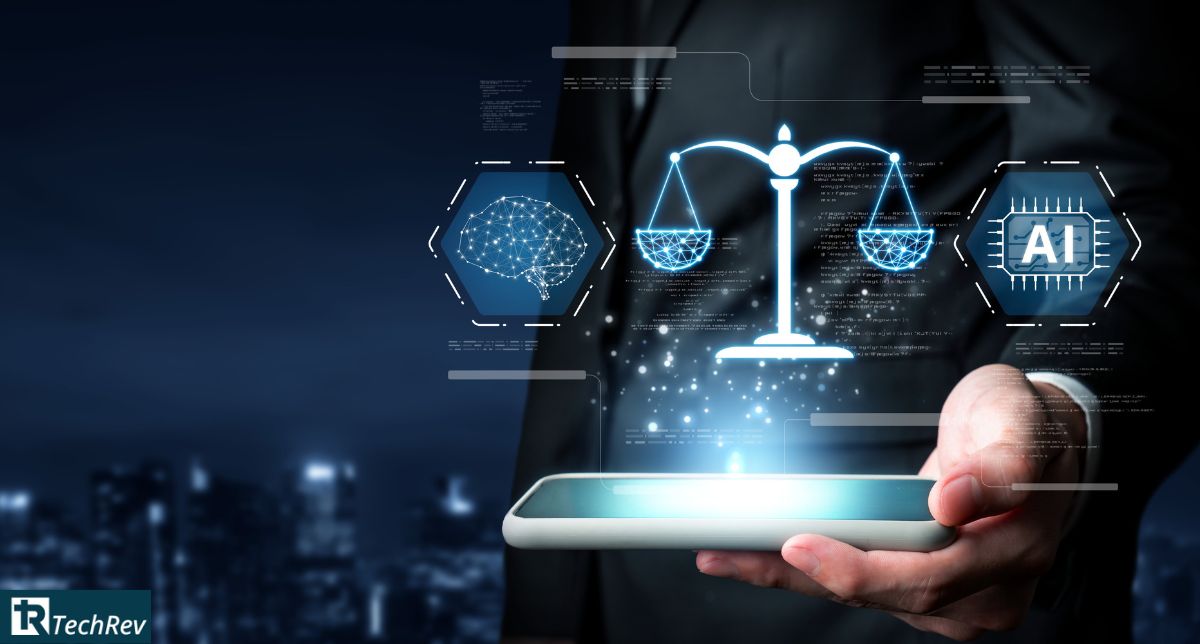
The legal sector requires extreme precision. One of the most fascinating areas of growth is in secure document handling and remote notarization.
How exactly do AI Agents improve a platform like eNotary On Call?
When a user logs into a platform like eNotary On Call, the backend processes are complex. AI Agents can streamline the entire journey. When a client uploads a document, an agent can autonomously verify the document type, scan for missing signatures, and cross reference state specific notary laws before the human notary even joins the session.
Here are specific ways this technology applies:
- Autonomous Identity Verification: Agents can analyze government IDs against global databases in milliseconds, flagging deepfakes or expired documents instantly.
- Smart Session Scheduling: If a client requests a notary at 2 AM, an agent can coordinate with the calendars of available remote notaries across different time zones, book the session, and send out secure video links.
Platforms looking to scale these features often rely on a specialized AI app development company to build these secure, autonomous workflows.
Top Use Cases of Agentic AI in Finance and FinTech
 Agentic AI in Finance
In the financial sector, milliseconds matter. Speed and accuracy are the ultimate competitive advantages.
- Autonomous Fraud Triage: Traditional systems flag thousands of transactions a day for manual review. This creates a massive backlog. Today, Custom AI Solutions deploy swarms of agents. One agent checks the user’s IP location. Another checks their purchase history. A third cross references global fraud databases. They collaborate in milliseconds to either approve the transaction or freeze the card, completely removing the human bottleneck.
- Dynamic Portfolio Management: Wealth management agents monitor global news, stock prices, and a client’s risk profile continuously. They execute trades autonomously to rebalance portfolios the second market conditions change.
Also Read – AI in Fintech: Top Use Cases and Benefits You Can’t Ignore!
Top Use Cases of Agentic AI in Supply Chain and Logistics
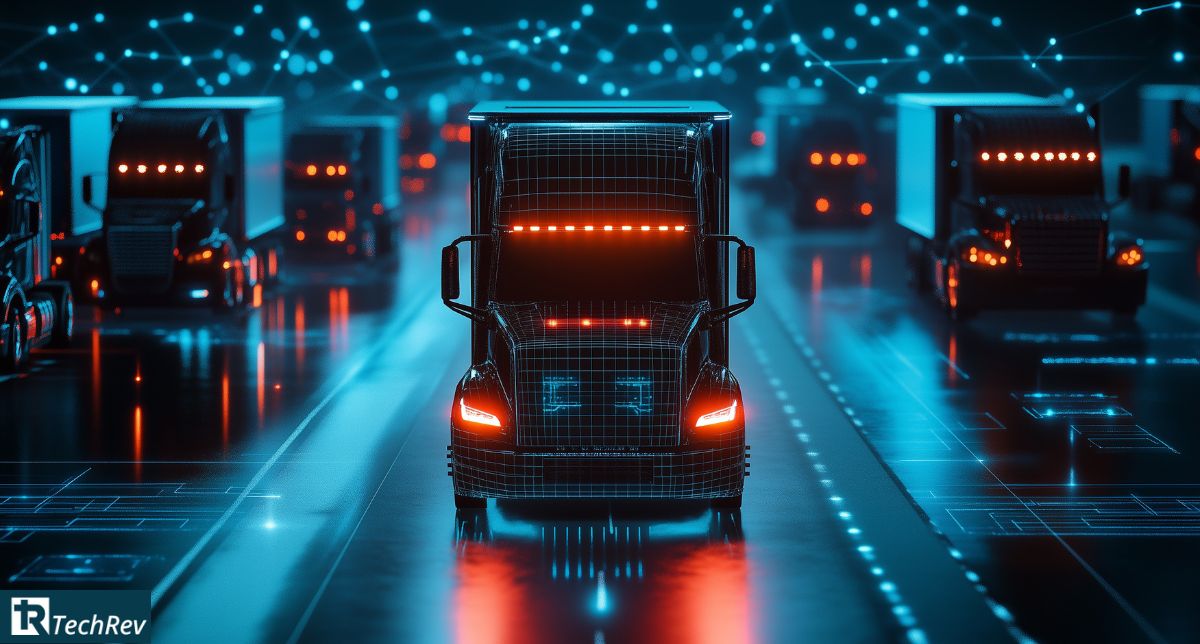
Global supply chains are incredibly fragile. A storm in one country can delay shipments worldwide.
- Dynamic Route Optimization: AI Agents do not just plan a route. They monitor weather radar, traffic cameras, and port strike news continuously. If a storm hits, the agent autonomously reroutes the shipping trucks and updates the warehouse arrival times without a human manager lifting a finger.
- Inventory Balancing: Agents monitor sales spikes across different retail locations. If a specific product goes viral in Florida, the agent autonomously commands the system to redirect warehouse inventory to that specific region before it sells out.
This level of orchestration requires flawless AI development services to ensure all APIs communicate perfectly.
Also Read – AI in Drug Discovery: A Game Changer for Custom Healthcare App Development
How to Implement Agentic AI Development in Your Business?
Reading about the Top Use Cases of Agentic AI is one thing. Actually building them is another. You cannot just buy an AI agent off the shelf. You need a strategic roadmap.
- Assess Your Data Infrastructure: Agents need clean, accessible data. If your data is locked in old, disconnected systems, the agents will fail.
- Start Small: Pick one high friction workflow. For example, automate your refund processing before you try to automate your entire supply chain.
- Partner with Experts: Do not rely on generic web developers. You need to hire a top tier AI app development company that understands vector databases, prompt chaining, and large language model orchestration.
Why TechRev is Your Strategic Partner in AI App Development?
At TechRev, we understand that true digital transformation requires more than just installing new software. It requires a fundamental shift in how work gets done.
As a leading AI app development company, we specialize in Agentic AI Development. We do not just build chatbots. We architect autonomous digital workforces. Whether you need robust AI Integration services to connect your legacy CRM to a modern LLM, or you need full scale AI development services to launch a new product, we have the engineering talent to deliver.
We pride ourselves on delivering Custom AI Solutions that provide measurable ROI. From healthcare systems to RON platforms like eNotary On Call, our AI Integration services ensure your operations run faster, safer, and smarter.
Conclusion
The business landscape of 2026 is unforgiving to those who rely on manual, repetitive processes. As we have seen through the Top Use Cases of Agentic AI, the future belongs to autonomous systems. AI Agents are no longer a science fiction concept. They are actively managing healthcare records, securing financial transactions, and optimizing global supply chains right now.
To stay ahead of the curve, you cannot afford to wait. Investing in robust Agentic AI Development is the most critical move you can make for your operational efficiency and bottom line. Whether you need to streamline remote notarization platforms or build a complex enterprise workflow from scratch, partnering with a trusted AI app development company like TechRev ensures you get it right the first time.
We deliver the Custom AI Solutions and flawless AI Integration services your enterprise needs to thrive. It is time to stop managing mundane tasks and start orchestrating real business results.
FAQs
1. What is the main difference between Generative AI and Agentic AI?
Generative AI creates content like text or images based on a prompt. Agentic AI takes actions. It understands a goal, formulates a plan, and interacts with other software tools to execute that plan autonomously.
2. Why do businesses need Custom AI Solutions instead of generic tools?
Every business has unique workflows and data privacy requirements. Generic tools often fail to handle the specific exceptions and edge cases of your industry. Custom solutions are trained specifically on your company’s operational logic.
3. How does an AI app development company ensure these agents are secure?
We implement strict “Human in the Loop” protocols for high risk tasks. We also use Red Teaming, where engineers actively try to break the agent’s logic to find and fix security flaws before deployment.
4. How can eNotary On Call utilize agents for customer support?
Agents can read a user’s uploaded document, determine exactly which type of notarization is required, answer state specific legal questions, and automatically assign the correct notary based on jurisdiction.
5. Are AI development services expensive for startups?
The initial investment depends on the complexity of the workflow. However, because agents dramatically reduce operational overhead and manual labor costs, the ROI is typically realized within the first year of deployment.
6. Does Agentic AI Development require replacing our current software?
No. A major benefit of proper Agentic AI Development is that agents act as an orchestration layer. They can connect to your existing CRM, ERP, or custom databases via APIs to do the work without requiring a system overhaul.