
AI in eCommerce is no longer a future concept. It is already shaping how enterprise eCommerce platforms attract customers, personalize experiences, and scale operations efficiently. From intelligent product recommendations to demand forecasting and automated customer support, AI has become a competitive necessity rather than an optional add-on.
For startups, SaaS founders, CTOs, enterprise clients, and indie developers, the real challenge is not understanding what AI can do. The challenge is knowing how to build AI-powered eCommerce platforms correctly, within budget, and with a roadmap that delivers measurable business value.
This blog breaks down AI eCommerce from a business and web app development perspective, covering real-world use cases, costs, and a step-by-step roadmap to build scalable eCommerce apps.
What is AI in eCommerce?
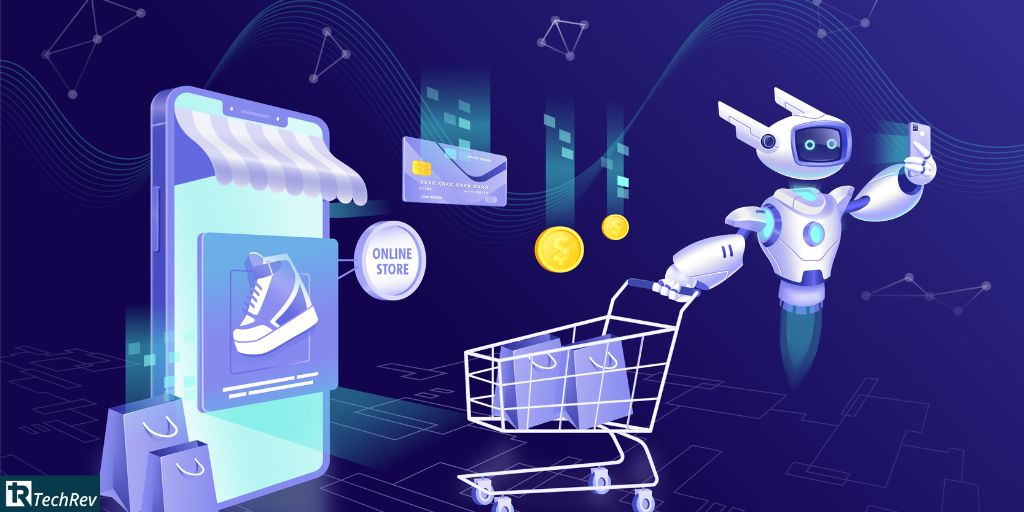
AI in eCommerce is the use of machine learning, data analytics, and automation to enhance how online stores operate and sell. Enterprise eCommerce platforms use AI to understand customer behavior, personalize product discovery, predict demand, and automate repetitive tasks. Unlike traditional rule-based systems, AI continuously learns from data to improve performance over time.
AI eCommerce addresses these challenges directly. It enables platforms to analyze user behavior in real time, predict customer intent, and automate repetitive processes. This is why leading enterprise eCommerce platforms are heavily investing in AI-driven systems.
Key business outcomes include:
- Higher conversion rates through personalization
- Better inventory planning and reduced stock waste
- Improved customer support through automation
- Data-driven decision-making across sales and marketing
AI turns eCommerce platforms into intelligent systems rather than simple storefronts.
How AI Is Used in Enterprise eCommerce Platforms?
Enterprise eCommerce platforms use AI in practical, measurable ways:
- Personalized product recommendations based on user behavior
- Intelligent search that understands user intent
- Demand forecasting for inventory planning
- AI-powered chatbots for customer support
- Analytics systems that predict churn and buying patterns
These applications directly impact revenue, retention, and scalability.
Also Read – How Headless Commerce Is Redefining Ecommerce Apps Development?
How AI Is Transforming Enterprise eCommerce Platforms?
The following are some ways through which AI app development services transforms eCommerce platforms:
1. Personalized Shopping Experiences
AI-powered recommendation engines analyze browsing history, purchase patterns, and preferences to show relevant products. This personalization increases average order value and customer lifetime value.
2. Smarter Search and Product Discovery
AI-driven search improves accuracy by understanding intent rather than keywords alone. This reduces friction and helps users find products faster, especially on large enterprise eCommerce platforms.
3. Demand Forecasting and Inventory Optimization
Machine learning models predict demand based on historical data, seasonality, and market trends. This allows enterprises to manage inventory efficiently and avoid overstocking or stockouts.
4. AI-Powered Customer Support
Chatbots implementation and virtual assistants handle common queries instantly. This reduces support costs while improving response times and customer satisfaction.
Also Read – How Much Does a Chatbot Cost in 2026? A Pricing Overview!

How to Build an AI in eCommerce Platforms?
Building AI eCommerce requires a structured development approach. The process starts with defining business objectives, followed by preparing clean and reliable data. Development teams then select high-impact AI use cases such as recommendations or search optimization.
Next, AI models are developed and integrated into the platform using custom web app development. After deployment, continuous monitoring and optimization ensure accuracy and performance at scale. This step-by-step approach reduces risk and improves return on investment.
1: Define Business Objectives
Every AI implementation must start with a clear business goal. Whether the focus is improving conversions, reducing returns, or optimizing supply chains, clarity at this stage prevents wasted development effort.
2: Data Collection and Readiness
AI systems rely on high-quality data. This includes customer behavior data, transaction history, inventory records, and marketing analytics. Data privacy and security must be built into the foundation, especially for US-focused platforms.
3: Choose the Right AI Use Cases
Not every AI feature delivers equal value. Successful platforms prioritize high-impact use cases such as recommendations, search optimization, and predictive analytics before expanding further.
4: Platform Architecture and Integration
AI models must integrate seamlessly with existing eCommerce infrastructure, payment gateways, CRM systems, and analytics tools. This is where custom web app development becomes critical.
5: Model Development and Testing
AI models are trained, tested, and optimized using real-world data. Continuous testing ensures accuracy, performance, and reliability under real traffic conditions.
6: Deployment, Monitoring, and Scaling
Once deployed, AI systems require constant monitoring and optimization. As traffic grows, the platform must scale without performance issues.
How Much Does It Cost to Build AI in eCommerce?

The cost of implementing AI eCommerce depends on platform complexity, AI depth, and scalability requirements. A basic AI-powered feature set may require moderate investment, while enterprise-grade solutions demand higher budgets.
Key cost drivers include:
- Data engineering and infrastructure
- AI model development and training
- Backend scalability and cloud services
- Security and compliance requirements
- Ongoing maintenance and optimization
Compared to generic tools, custom eCommerce solutions often deliver better long-term ROI because they align closely with business workflows.
Why Choosing the eCommerce App Development Company Matters?
AI-powered eCommerce platforms are complex systems. Many software development companies offer generic solutions, but enterprise platforms require deep technical expertise and strategic planning.
Working with the best eCommerce development company ensures:
- Scalable and secure architecture
- AI systems aligned with business goals
- Seamless integration with enterprise tools
- Long-term technical support and optimization
This is where TechRev stands apart. But,
Why TechRev Is a Strong AI eCommerce Development Company?
TechRev helps enterprises build scalable AI-powered eCommerce platforms using custom development and proven AI frameworks. Unlike generic software development companies, TechRev focuses on business-aligned AI implementation, long-term scalability, and performance optimization.
Our approach includes:
- Strategy-driven AI implementation
- Custom web app development for flexibility and control
- AI-powered personalization and analytics
- Scalable cloud-based architecture
- End-to-end delivery and long-term support
As a trusted eCommerce app development company, TechRev helps enterprises transform traditional stores into data-driven growth engines using AI eCommerce.
Conclusion
AI eCommerce is no longer about experimentation. It is about building platforms that adapt, learn, and scale with your business.
If you are looking to build or modernize an enterprise eCommerce platform using AI, TechRev is ready to help. Partner with TechRev today and turn your eCommerce platform into a competitive advantage.
FAQ
1. What is AI in eCommerce?
AI in eCommerce uses artificial intelligence to personalize shopping, automate operations, and improve decision-making on online platforms.
2. How does AI help enterprise eCommerce platforms?
AI improves personalization, demand forecasting, customer support, and operational efficiency.
3. Is AI in eCommerce expensive to implement?
Costs vary by complexity, but enterprise platforms often see long-term returns that outweigh initial investment.
4. Do enterprises need custom eCommerce solutions for AI?
Yes. Custom eCommerce solutions integrate better with enterprise workflows and scale more effectively.
5. How long does AI eCommerce development take?
Initial features may take a few months, while full enterprise systems take longer.
6. What role do software development companies play in AI eCommerce?
They design, build, and scale AI-powered platforms tailored to business needs.
7. Why choose TechRev for AI in eCommerce development?
TechRev delivers scalable, secure, and business-focused AI solutions for enterprise eCommerce platforms.
Also Read – How AI Development Services Can Boost Your Business in 2025?